Independent kitchen gear guides
Kitchen gear that earns its spot on the counter.
We read the maker spec sheets and the federal food safety charts, then tell you which thermometer, pan or appliance fits how you cook. No invented test scores.
Specs from maker pagesNo invented test scoresDated and sourced
Latest
Start here
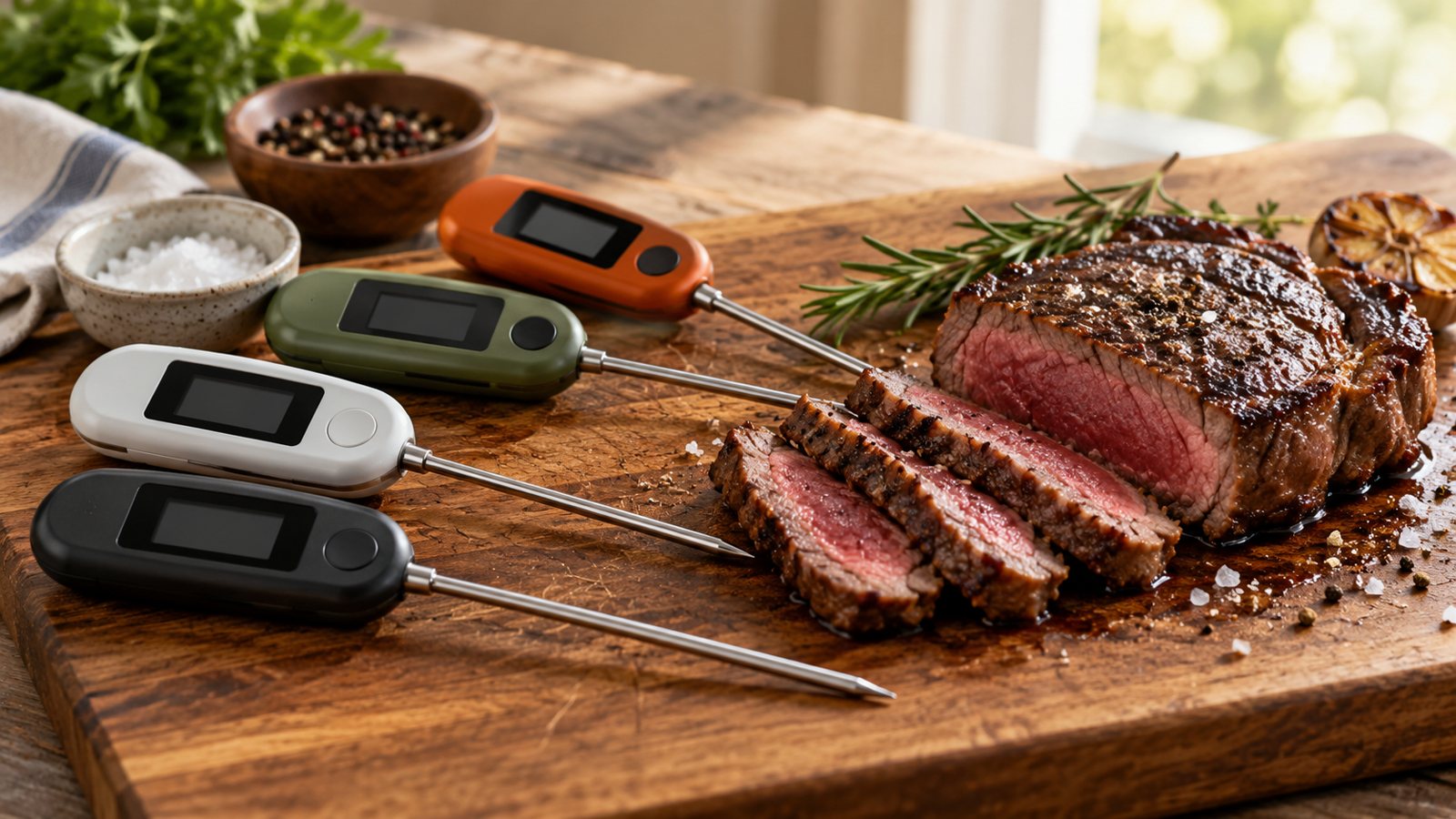
Best Instant-Read Thermometers on Maker Specs (2026)
Thermapen ONE, ThermoPop 2 and Lavatools Javelin PRO compared on maker specs: reading speed, accuracy, range, water resistance and battery.
Safe Cooking Temperatures Chart (FoodSafety.gov)
Safe minimum internal temperatures for beef, pork, poultry, ground meat, eggs, ham, seafood and leftovers, with rest times, from FoodSafety.gov.
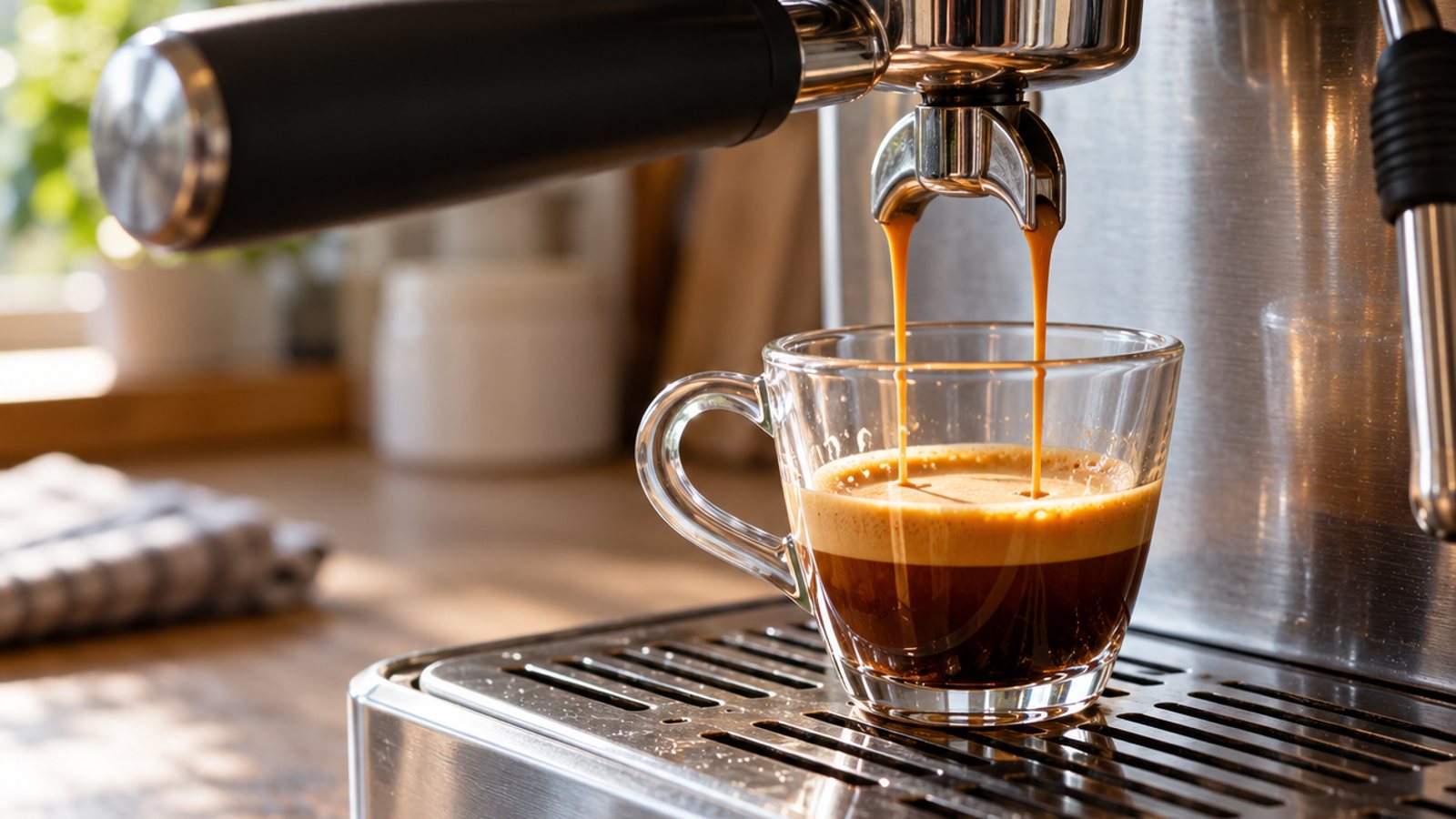
Best Breville Espresso Machines Compared: Bambino Plus vs Barista Express vs Pro
Breville Bambino Plus, Barista Express and Barista Pro compared on Breville specs: grinder, heat-up, milk wand, size and list price.
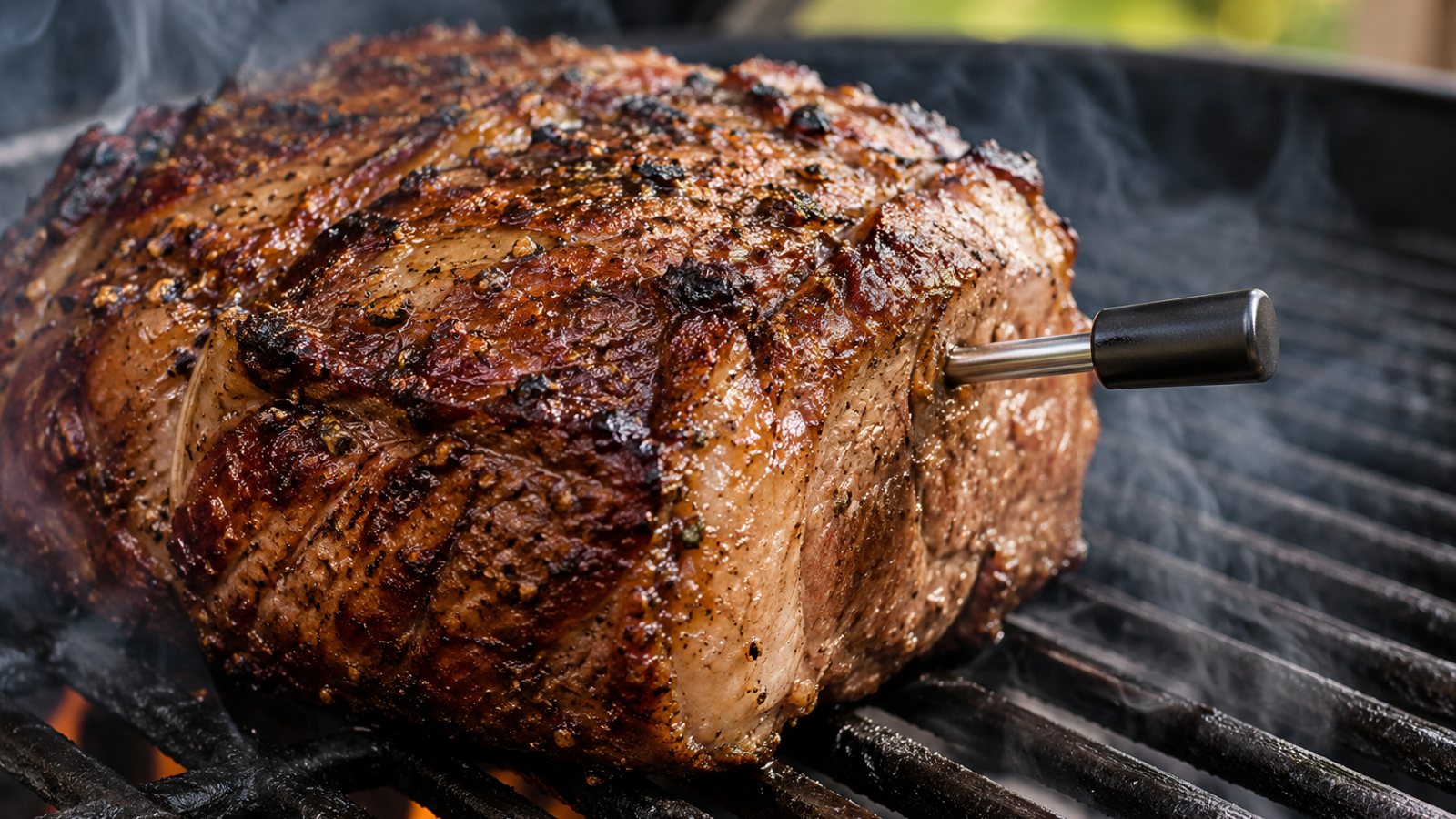
Best Leave-In and Wireless Meat Thermometers Compared on Maker Specs
MEATER Pro, MEATER Pro Duo and ThermoWorks Signals compared on maker specs: probes, accuracy, max temps, connection and battery life.
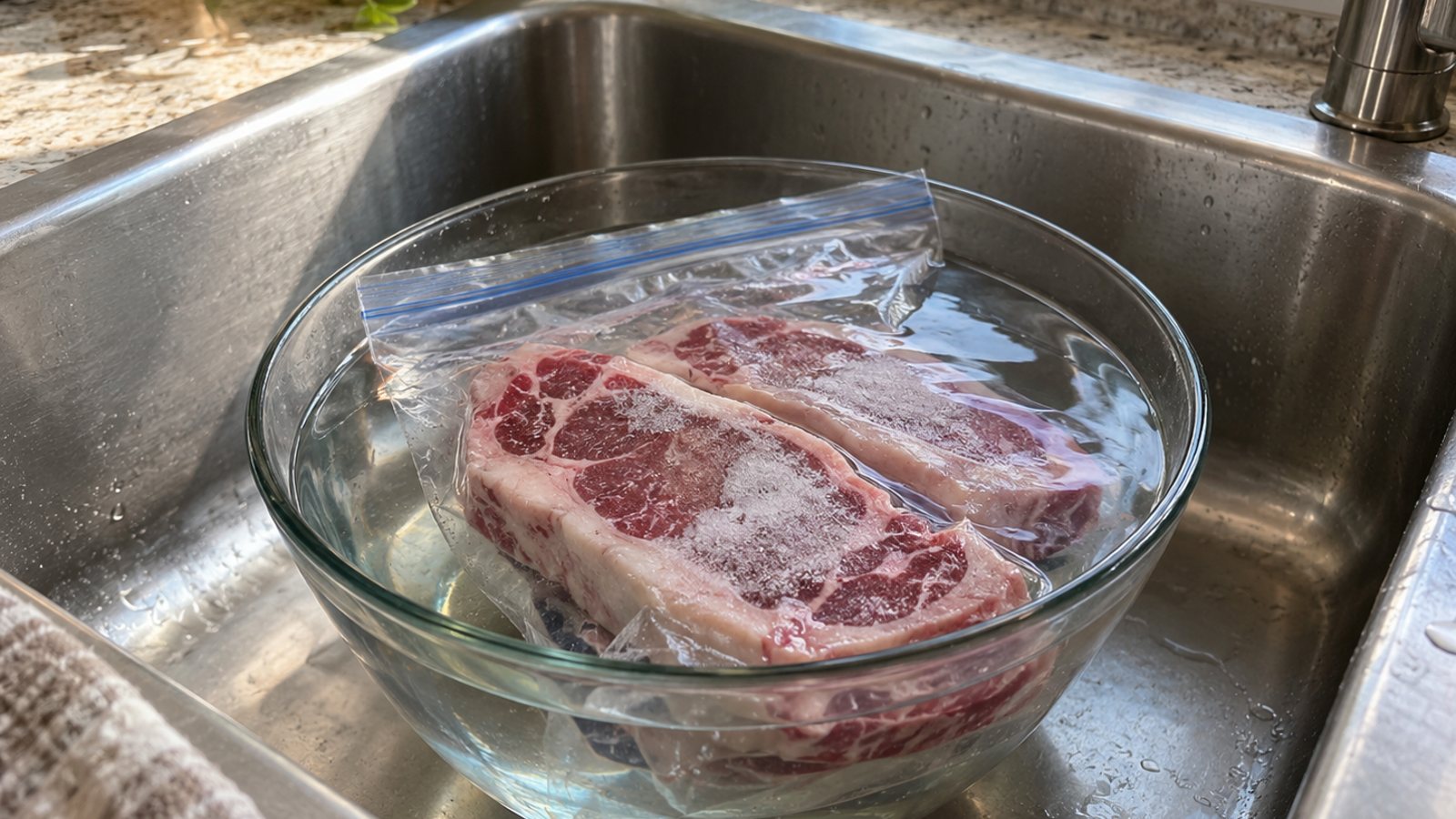
How to Thaw Meat Safely: Fridge, Cold Water and Microwave (USDA)
USDA FSIS lists three safe ways to thaw meat and poultry: refrigerator, cold water and microwave. Times, rules and when you can refreeze.
The Food Danger Zone (40°F to 140°F) Explained
USDA FSIS: bacteria grow fastest between 40°F and 140°F. The 2-hour rule, the 1-hour rule above 90°F, holding food hot or cold, and reheating.
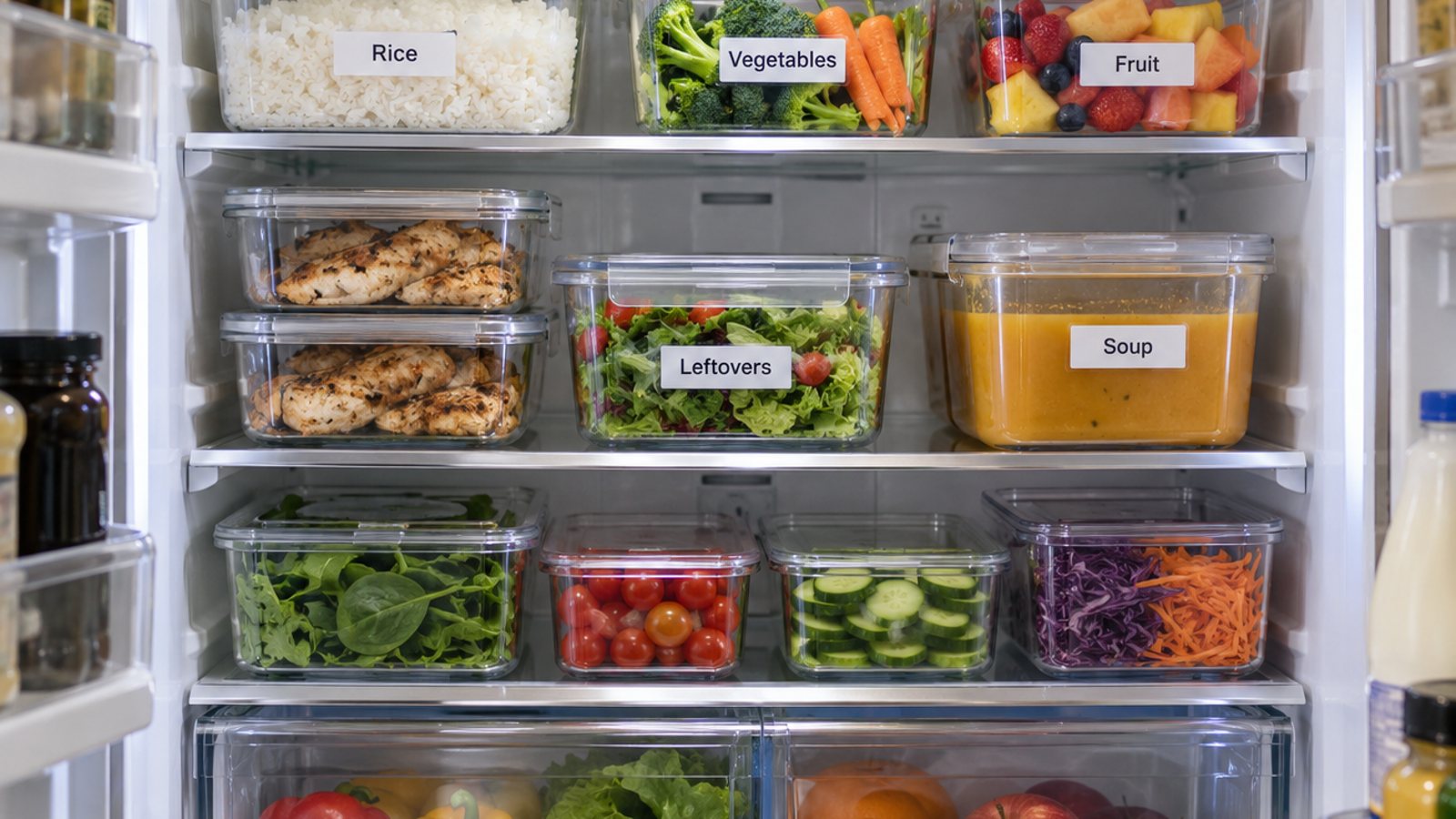
Fridge and Freezer Storage Times Chart (FoodSafety.gov)
How long food lasts in the fridge at 40°F and freezer at 0°F: ground meat, steaks, poultry, fish, eggs, deli meat and leftovers, per FoodSafety.gov.
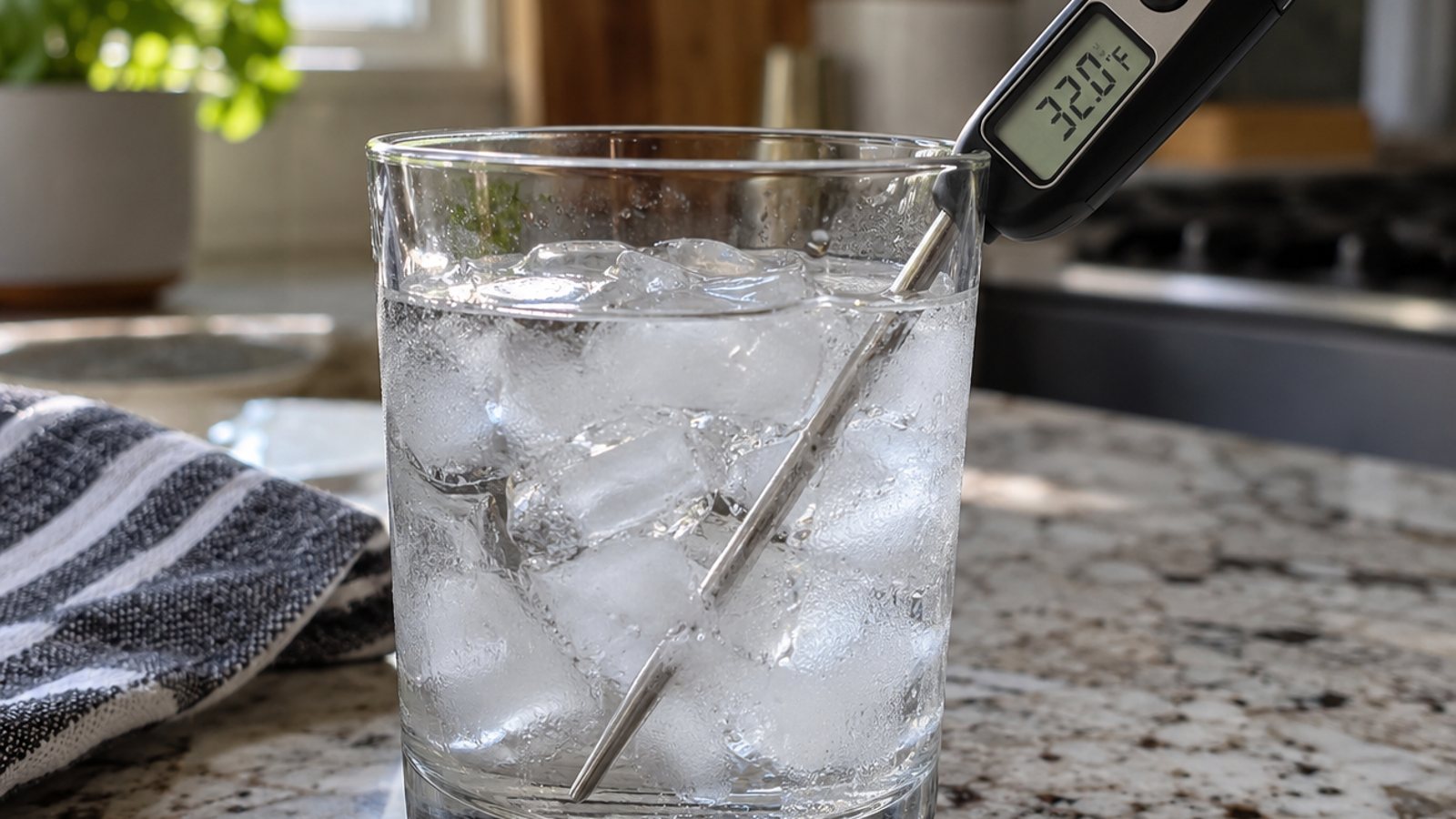
How to Calibrate a Food Thermometer: Ice Water and Boiling Water
Check your food thermometer with the USDA ice water method (32°F) or boiling water method (212°F at sea level), and what to do if it is off.
Food Thermometer Types: Thermocouple, Thermistor, Dial and Wireless
USDA FSIS compares food thermometer types: thermocouple (2 to 5 s), thermistor (10 s), dial, oven cord and wireless smart probes, and when to use each.
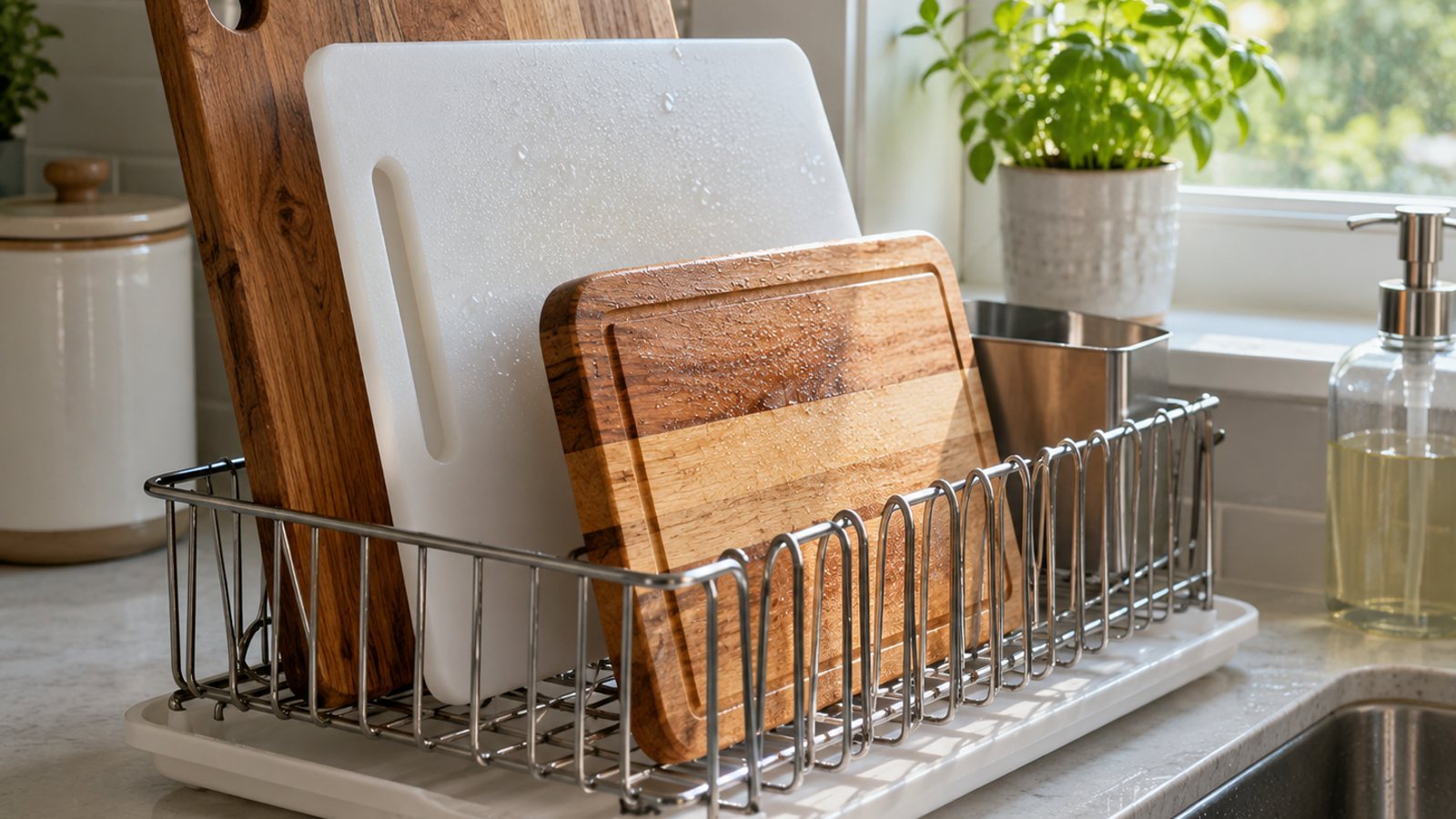
Cutting Board Safety: Wood vs Plastic, Cleaning and Sanitizing (USDA)
USDA guidance on cutting boards: wood vs plastic vs bamboo, separate boards for raw meat, how to wash and sanitize, and when to replace them.
On our shortlist